The Square on the Meter: How QR Phishing Is Turning Routine Scans Into Security Incidents
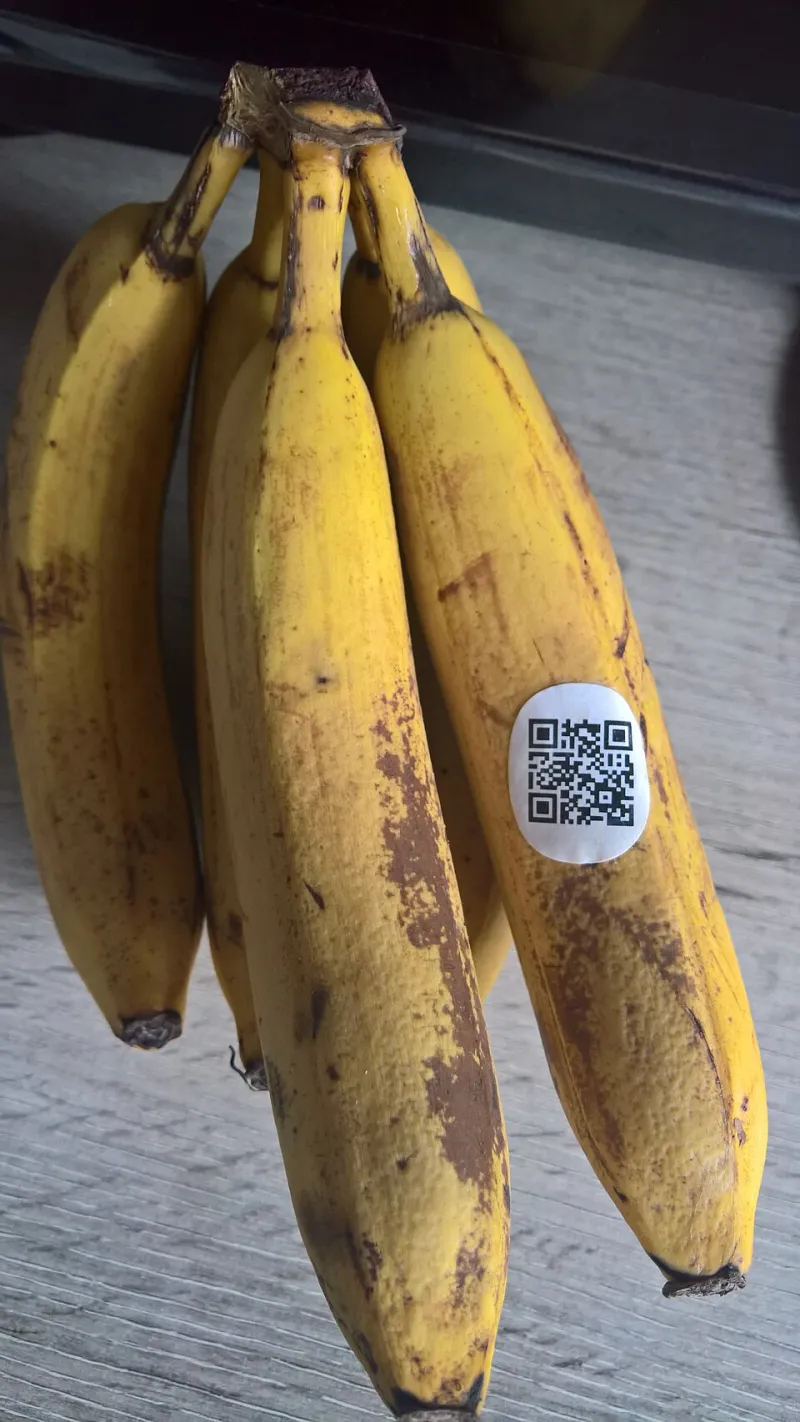
Photo: Donald Trung Quoc Don (Chữ Hán: 徵國單) - Wikimedia Commons - © CC BY-SA 4.0 International.(Want to use this image?)Original publication 📤: --Donald Trung 『徵國單』 (No Fake News 💬) (WikiProject Numismatics 💴) (Articles 📚) 20:36, 19 April 2021 (UTC), CC B
A convenient square with a security blind spot
QR codes are now printed on parking meters, restaurant tables, utility bills, event tickets and apartment laundry machines. The appeal is obvious: a quick scan can open a menu, start a payment or connect a phone to a wireless network. The risk is equally simple. A QR code is a machine-readable link, and most people cannot tell where it leads until after they have scanned it.
That gap has made QR codes attractive to fraudsters. The technique is often called quishing, a blend of QR and phishing. Instead of sending a fake email with a suspicious link, an attacker places a malicious sticker over a legitimate code or sends a code in a message that appears to come from a trusted business. The victim scans, lands on a realistic login page and enters credentials or card details.
Why the scam is gaining ground in the US
The shift toward contactless transactions has normalized scanning in public places. A driver rushing to pay for parking may not examine a meter closely. A diner may assume the code on the table belongs to the restaurant. Attackers exploit that assumption because it bypasses the usual warning signs. There is no sender address to inspect, no hovering over a link and often no obvious misspelling in the printed code.
QR phishing also fits the broader pattern of credential theft. Many Americans reuse passwords across accounts, and a single fake login page can yield access to email, banking or retail accounts. Payment-focused scams can capture card numbers directly. Because the interaction happens on a phone, the smaller screen and reduced address-bar visibility make verification harder.
The Federal Trade Commission and the FBI have warned about malicious QR codes in recent years. The scams vary, but the common thread is trust in the physical object or the message that delivered the code.
How to inspect a code before scanning
Physical tampering is often visible. A sticker placed over a printed code may sit slightly raised, have crooked edges or cover the original surface. Drivers should look for signs that a code has been added rather than printed. On parking meters, it is reasonable to check whether the code matches the official payment instructions and whether the meter itself offers a card slot or a published app name.
For codes received by email or text, context matters. An unsolicited message that urges immediate payment, account verification or a package redelivery is a warning sign. Legitimate organizations generally provide a way to reach them through an app or a known website rather than a code alone.
Phone cameras and scanner apps often display a preview of the URL before opening it. That preview is the most useful checkpoint. If the domain is unfamiliar, misspelled or unrelated to the organization, stop. A padlock icon and HTTPS are not proof of legitimacy. They indicate an encrypted connection, not an honest destination.
What to do if a scan leads somewhere unexpected
If a scan opens a page that asks for a password, payment card or Social Security number, close it. Do not enter information to see what happens. If credentials were already entered, change the password on the legitimate account immediately and enable multi-factor authentication. If the same password was used elsewhere, change it there as well.
If card details were exposed, contact the card issuer, explain what happened and ask for the card to be frozen or replaced. Review recent transactions for unauthorized charges. If a banking login was exposed, contact the bank through a verified phone number or its official app, not through a link in the suspicious page.
Consumers can report QR phishing to the FTC at ReportFraud.ftc.gov and to the FBI's Internet Crime Complaint Center. Reporting does not guarantee recovery, but it helps investigators identify patterns and can support later action.
Building a scanning habit
Organizations can reduce the risk by placing codes in tamper-evident holders and publishing the exact destination on the printed material. Consumers can adopt a simple rule: scan only when the code is expected, inspect the physical surface and read the URL preview before tapping through.
The QR code is not inherently unsafe. It is a delivery mechanism, and like any link, it deserves a moment of skepticism. In a world where a square printed on a meter can open a credential-stealing page, that moment is the difference between convenience and a compromised account.