Billed Into Oblivion: The Silent Economy of Subscriptions You Never Agreed To

Somewhere between a forgotten free trial and a suspiciously worded checkout page, millions of Americans are quietly losing money every month. The charges are rarely large enough to trigger immediate alarm — $4.99 here, $12.99 there — but they accumulate with mechanical precision, often for services the account holder has never once opened, used, or, in many cases, consciously agreed to purchase.
This is the world of unauthorized and undisclosed recurring billing: a sprawling, loosely regulated landscape that exploits consumer inattention, payment processing gray areas, and deliberately confusing user interfaces to extract steady revenue from people who have no idea it is happening.
How Phantom Charges Take Root
The mechanics behind unauthorized subscriptions vary, but several patterns appear with troubling consistency.
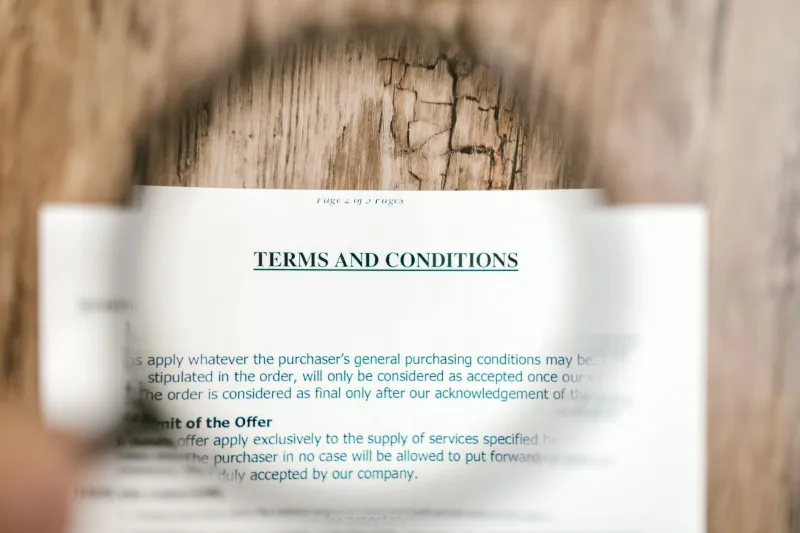
The most common entry point is the negative option offer — a billing model in which a consumer's silence is treated as consent. A user signs up for a free trial, enters payment information, and either forgets to cancel or cannot locate the cancellation option before the trial period expires. The charge begins. In the least egregious versions of this arrangement, the trial terms are disclosed somewhere in the fine print. In the more predatory variants, the billing trigger is buried so deeply in the checkout flow that many users genuinely do not realize they have agreed to anything at all.
A second pathway involves third-party billing aggregators — intermediary services that allow charges to appear on a consumer's phone bill, cable statement, or digital wallet rather than as a direct merchant transaction. These arrangements, sometimes called carrier billing or bill-on-behalf-of services, have a legitimate purpose in certain markets, but they have also been exploited extensively. The Federal Trade Commission has pursued multiple enforcement actions against companies that used these channels to place charges on consumer accounts without any meaningful authorization.
Perhaps the most aggressive variant involves post-purchase upsell interstitials — those pop-up offers that appear immediately after a legitimate transaction is completed, typically asking whether the user wants to "save" on future purchases by joining a rewards or discount program. Because the user's payment credentials are already loaded in the session, a single misclick can initiate a recurring charge. Some implementations have been designed so that the "No Thanks" button is visually subordinated to the acceptance prompt, a textbook example of a dark pattern.
The Detection Problem
One reason phantom subscriptions persist for so long is that they are structurally difficult to notice. Most people do not scrutinize every line of their monthly credit card or bank statement with the attention they would apply to, say, a wire transfer. A charge from an unfamiliar merchant name — and unauthorized billers frequently use vague, generic company names that do not correspond to any recognizable brand — registers as noise rather than signal.
Research consistently shows that consumers underestimate the number of active subscriptions attached to their payment accounts. A 2022 survey conducted by C+R Research found that, on average, respondents underestimated their monthly subscription spending by more than $100. That gap represents the window in which unauthorized charges thrive.
The problem is compounded by the way card networks process recurring transactions. Once a merchant has obtained an initial authorization and a stored credential, subsequent charges can often be processed without requiring the cardholder to re-authenticate, even if the original authorization was for a one-time purchase or a limited trial period. The card networks have rules governing this practice, but enforcement is inconsistent, and the dispute resolution process places a significant burden on the consumer.
Dark Patterns at the Exit
Even when a consumer discovers an unwanted subscription and attempts to cancel, the process is frequently engineered to obstruct them. The term "roach motel" — easy to check in, nearly impossible to check out — has become a shorthand in consumer protection circles for this type of interface design.
Common obstruction tactics include requiring a phone call to cancel a subscription that was initiated entirely online, burying the cancellation option several layers deep within account settings, presenting a multi-step "save" flow that attempts to dissuade the user with discounts or pauses before allowing cancellation to proceed, and setting cancellation deadlines that do not align with billing cycles in ways that result in at least one additional charge after the user believes they have ended the relationship.
The FTC's updated Negative Option Rule, which took effect in stages beginning in 2024, directly targets many of these practices. The rule requires that cancellation be at least as simple as enrollment — a standard that, if consistently enforced, would eliminate most of the friction-by-design that makes phantom subscriptions so durable. Whether enforcement will keep pace with the scale of the problem remains an open question.
Auditing Your Accounts: A Practical Framework
The most reliable defense against unauthorized recurring charges is a disciplined, periodic review of your financial accounts. The following steps provide a structured approach.
Pull a complete transaction history. Request or download at least twelve months of statements from every credit card, debit card, and bank account you hold. Twelve months captures annual subscriptions that might otherwise escape a shorter review window.
Flag every recurring charge. Look for charges that repeat at consistent intervals — monthly, quarterly, or annually. Pay particular attention to small amounts, round numbers, and merchant names you do not immediately recognize.
Cross-reference against known subscriptions. Build a simple inventory of every subscription you believe you have authorized. Any charge that does not appear on that list is a candidate for investigation.
Look up unfamiliar merchant names. A web search of the exact name as it appears on your statement will often surface complaints from other consumers or identify the parent company behind an obscure billing entity.
Dispute unauthorized charges promptly. Under the Fair Credit Billing Act, consumers have 60 days from the date a charge appears on a statement to dispute it with their card issuer. For debit accounts, the Electronic Fund Transfer Act provides similar but somewhat narrower protections. Do not delay — the dispute window is finite.
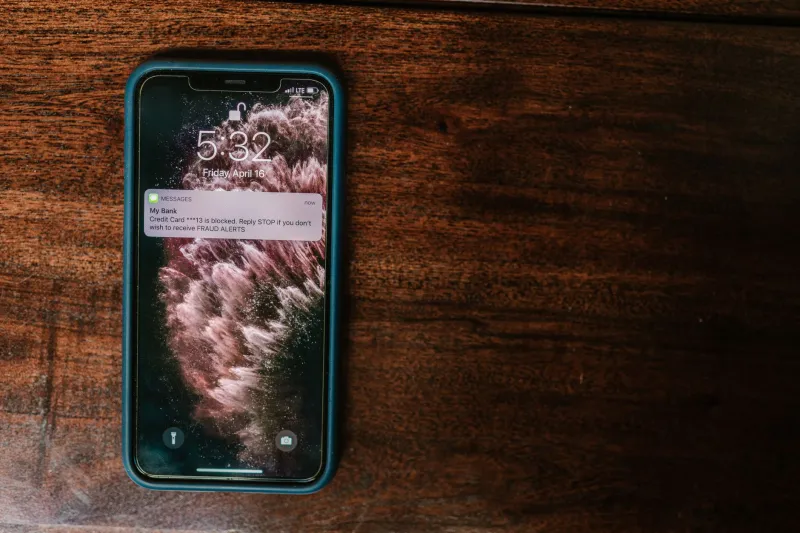
Request a new card number after confirmed fraud. If you identify a charge you did not authorize, ask your card issuer to issue a replacement card with a new number. This terminates the stored credential that the unauthorized biller holds and prevents future charges to that account.
Use virtual card numbers for trials. Many banks and third-party services now offer single-use or merchant-locked virtual card numbers. Assigning a virtual number to a free trial creates a clean break: if you forget to cancel, the merchant cannot charge your primary account.
The Broader Picture
Unauthorized subscription billing is not merely an inconvenience. For consumers living paycheck to paycheck, a cluster of phantom charges can create genuine financial hardship. For everyone else, it represents a slow, invisible drain that compounds over time and rewards the least scrupulous actors in the digital economy.
Regulatory momentum is building — the FTC's Negative Option Rule and parallel state-level legislation in California, New York, and elsewhere signal that policymakers are taking the problem seriously. But the gap between rule-making and enforcement means that individual vigilance remains the most reliable line of defense. Treat your payment accounts the way you treat your front door: check it regularly, and take nothing for granted.